The EEIT Colloquium with the Authors of a Forthcoming Book on Pastoral Ministry During Wartime Has Begun
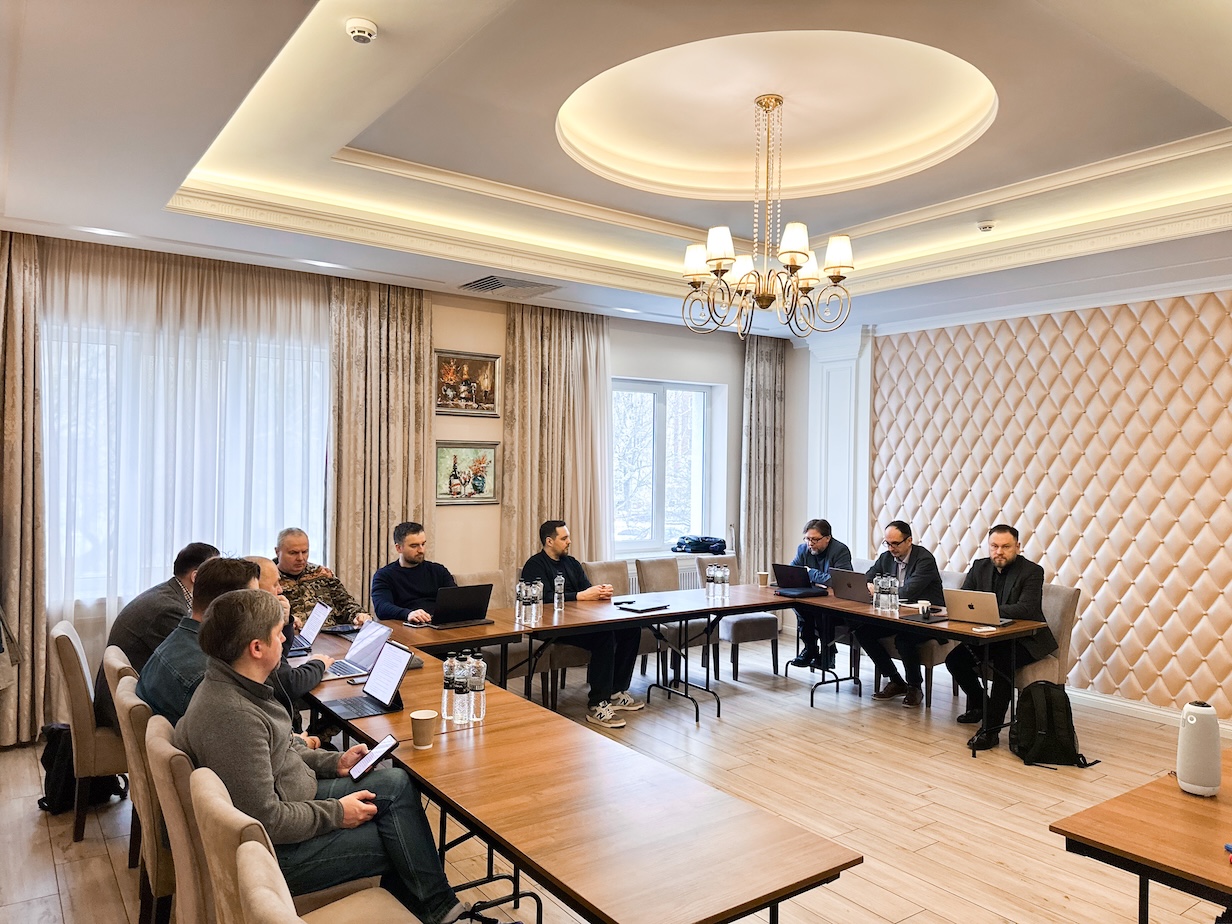
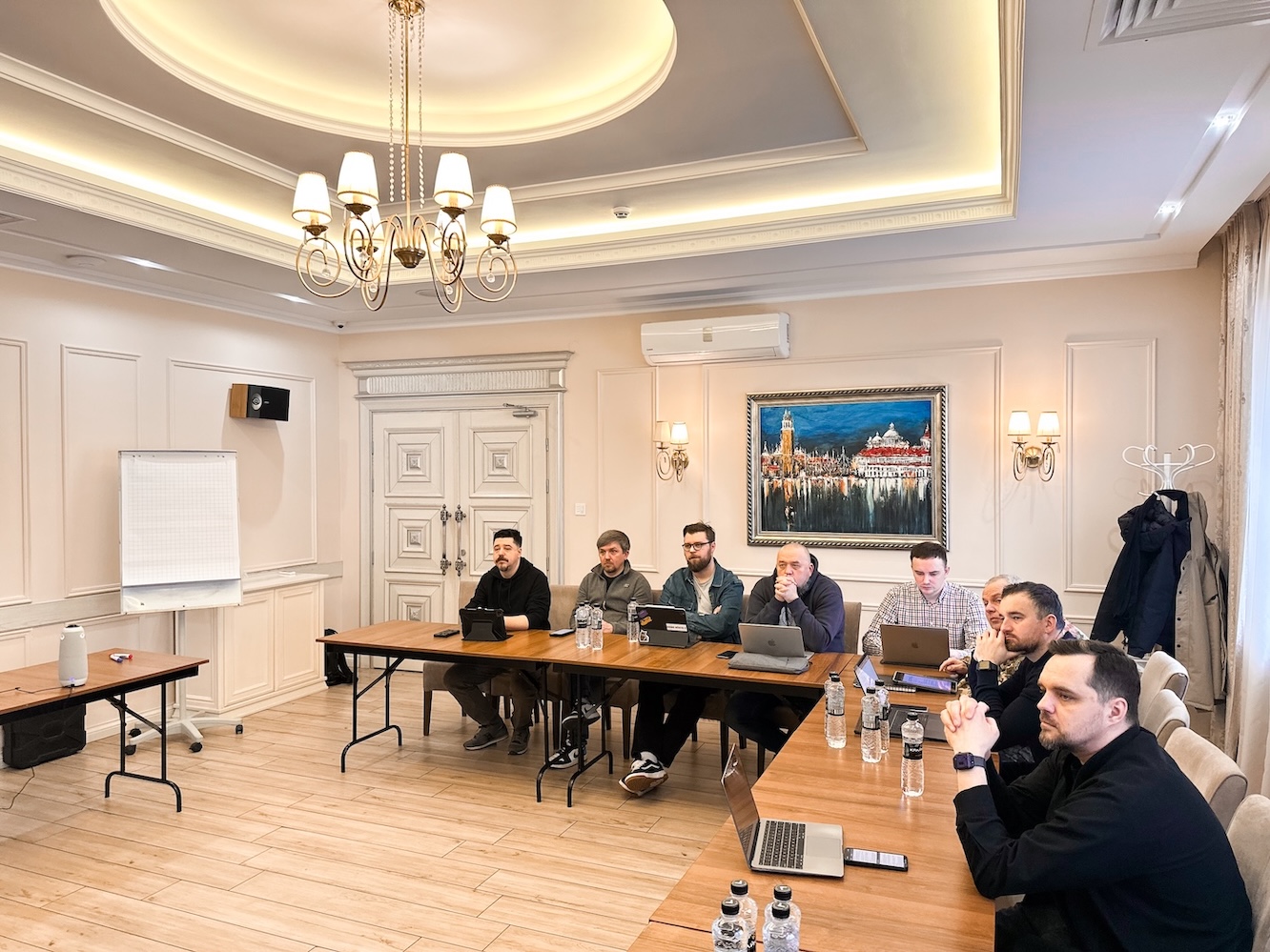
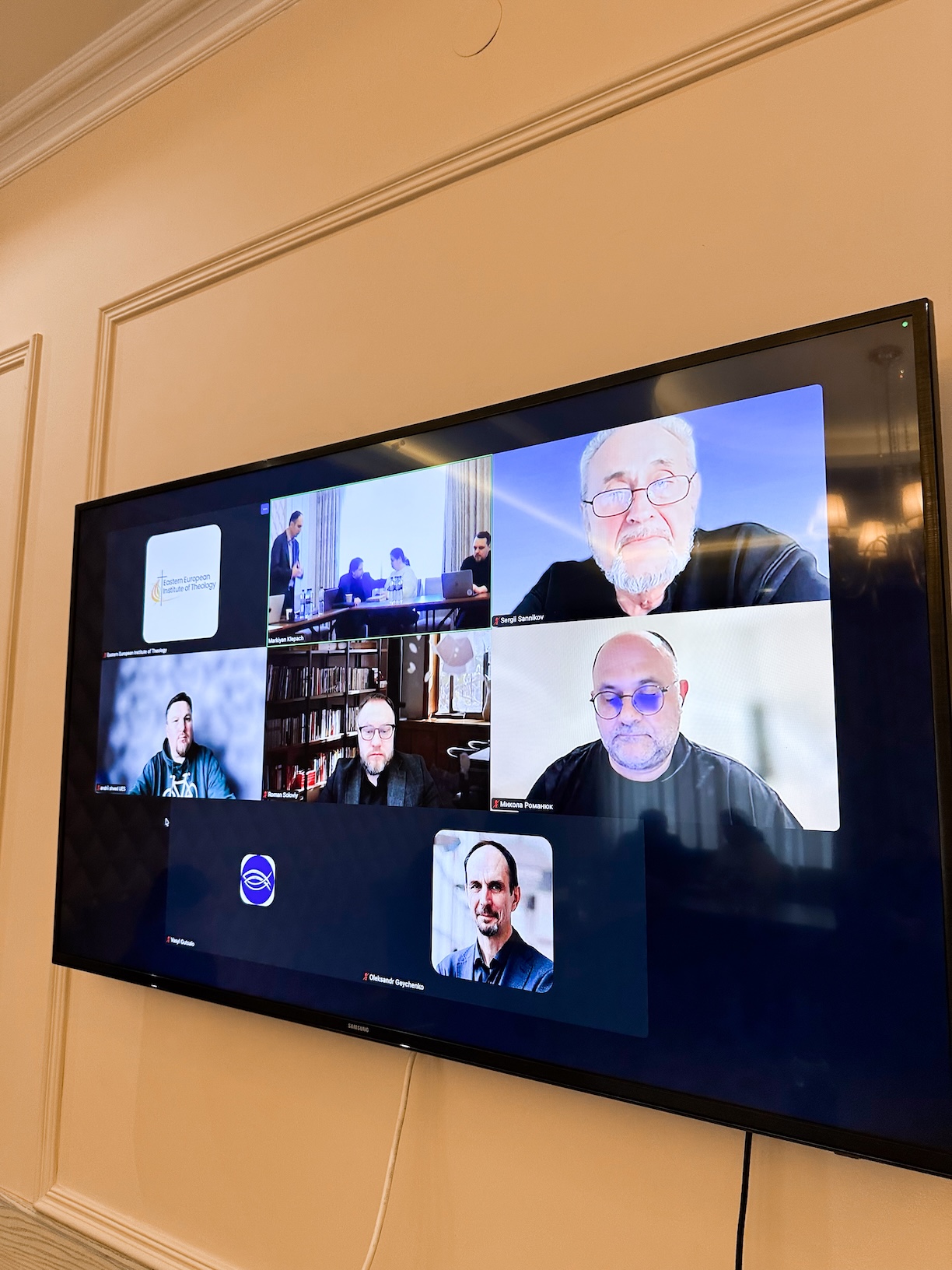
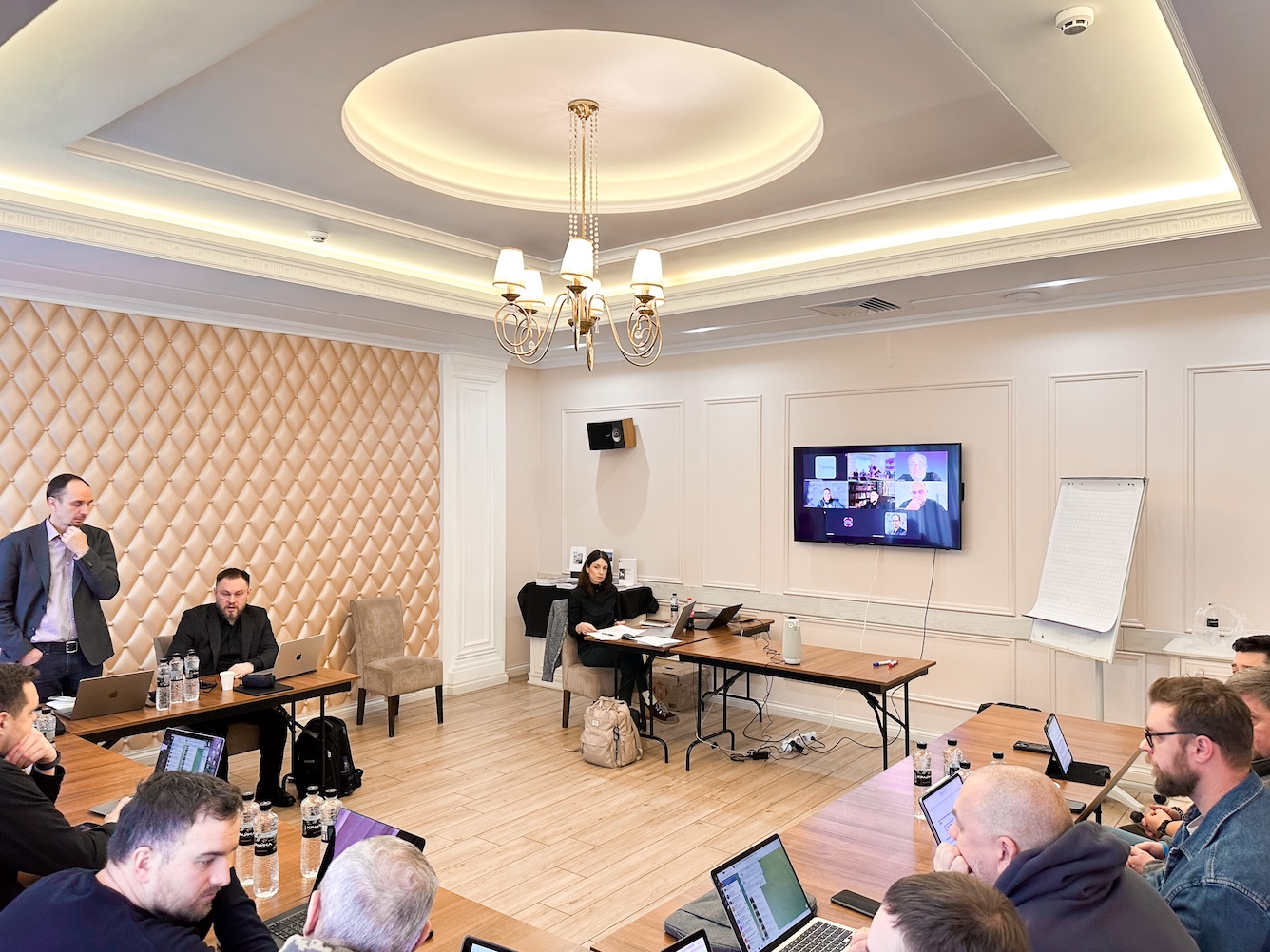
On February 26, the Eastern European Institute of Theology began a colloquium with the authors of a forthcoming book. Over two days, participants will work to shape individual chapters into a unified volume that offers thorough responses to the challenges of pastoral ministry in wartime.
About the Book Project
Russia’s war against Ukraine has profoundly reshaped the understanding and practice of evangelical church leadership. Amid chronic stress and exhaustion, increased workloads due to declining church membership, shifting community needs, and financial pressures, a new way of thinking and serving is taking shape within pastoral communities. In addition to traditional forms of pastoral care, church leaders are now engaged in areas where they previously had little or no involvement: chaplaincy, ministry to the families of fallen soldiers, international advocacy, and care for internally displaced persons and other vulnerable groups.
The project, “Pastoral Ministry During War: Ukrainian Experience,” brings together church leaders and pastors from various evangelical denominations who have direct experience of ministry during wartime. Key topics explored by the authors include theological questions (the justification of pastoral ministry in wartime, God’s presence during war, and the pastor’s role in the public sphere) as well as practical issues (pastoral care for veterans and their families, support for the families of fallen soldiers, care for internally displaced persons, and liturgical practices during wartime).
The project is supported by Langham Publishing. The editors of the book are Oleksandr Geychenko, Taras Dyatlik, and Roman Soloviy. The Ukrainian edition is expected to be released in May 2027, with the English edition planned for 2028.
We believe this book will address the new challenges facing Christians, especially those engaged in pastoral ministry and spiritual care in Ukraine. At the same time, its insights may prove valuable for societies experiencing acute socio-political, interethnic, or interreligious conflict, for ideologically polarized communities, and for post-conflict contexts.