Theological Imagination: Resisting Systems of Oppression, Injustice and Violence
Теологічна уява: спротив системам гноблення, несправедливості та насильства
27–31 July
Zoom
Although discussions about the formative power of imagination have been ongoing for centuries, theology today is rediscovering its potential, particularly for understanding the political sphere. This raises the question of how images that surround us influence not only theological reflection but also the formation of political thought.
The hermeneutical turn in the second half of the twentieth century renewed interest in imagination across the humanities. It emphasized that human existence in the world is inseparable from interpretation. Because being itself is a mystery, interpretation of the world always grapples with the ambiguous, contradictory, and ineffable – elements we creatively integrate into a coherent picture of the world. For this reason, our interpretation of the world is always intertwined with our capacity to imagine it. In this context, the Christian worldview emerges as a unique way of perceiving reality. It enables us to see not only the intangible “depth” of the present world, but also the “depth” of its future, which we cannot yet see – that is particularly evident in eschatological imagery.
It inspires a vision of a future filled with hope and love, while encouraging us to pursue more just ways of living together here and now.
Historical experience also shows that Christian imagery has often been used to justify injustice, contributing to the development of “unhealthy theologies” that legitimize socio-political systems of violence and oppression. For this reason, one of the tasks of theology is to foster a Christian imagination capable of critically rethinking such images and resisting these systems. In doing so, theology can contribute to the formation of a more just social order.
That is why the Eastern European Institute of Theology invites everyone to join in a dialogue on the significance of theological imagination for public life. Participants will learn about imagination from various theological and interdisciplinary perspectives, discovering how images shape not only our perception of the world but also our responses to its challenges.
Featured Speakers 2026
The Summer School of Theology will bring together theologians, biblical scholars, philosophers, and artists from various Christian traditions to explore whats, hows, and whys of theological imagination.
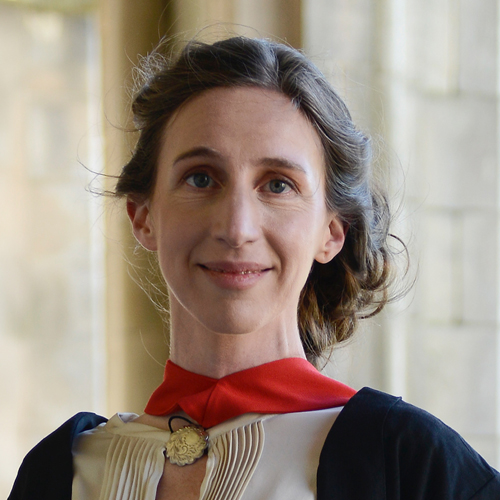
Judith Wolfe
Professor of Philosophical Theology at the University of St Andrews. Born and raised in Vienna, and educated in Jerusalem and Oxford, Prof. Wolfe has previously taught in Berlin and Oxford. She works on the intersection of theology, philosophy, and the arts, with special interests in eschatology and theological anthropology. Author and co-author of numerous books, including The Theological Imagination, published by Cambridge University Press in 2024. General Editor of the Oxford Studies in Philosophical Theology and the Journal of Inklings Studies.
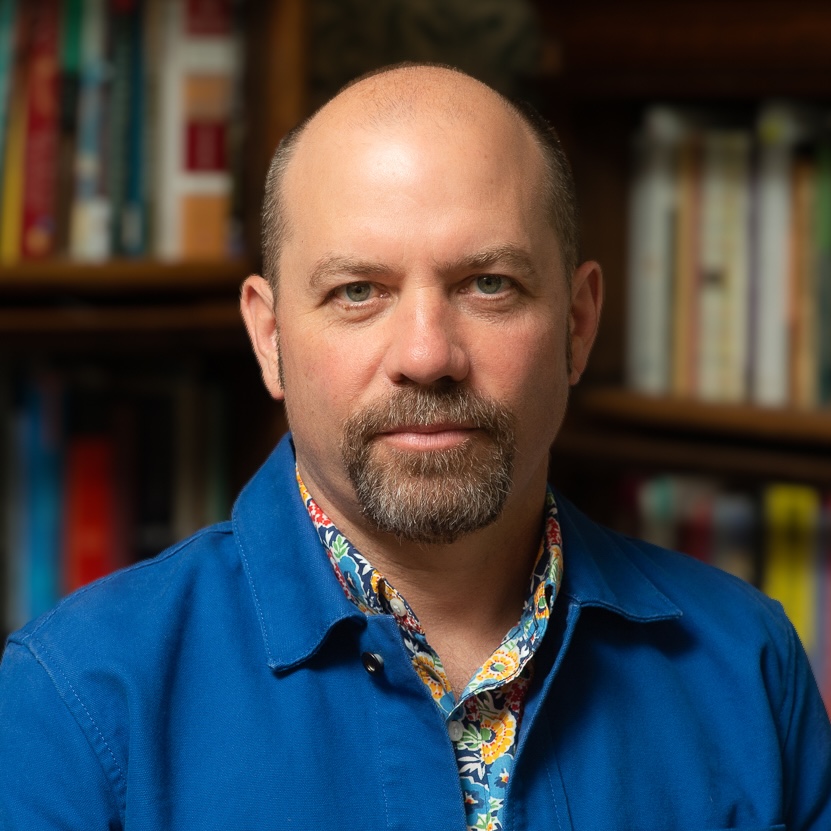
James K. A. Smith
Professor of Philosophy at Calvin University. As a cultural critic and commentator, he explores the tensions of modern life, inviting readers and audiences to more intentional practices of faith and flourishing. He is the award-winning author of a number of books, including You Are What You Love, On the Road with Saint Augustine, How to Inhabit Time and The Nicene Option: An Incarnational Phenomenology. His latest is Make Your Home in This Luminous Dark from Yale University Press (2026).
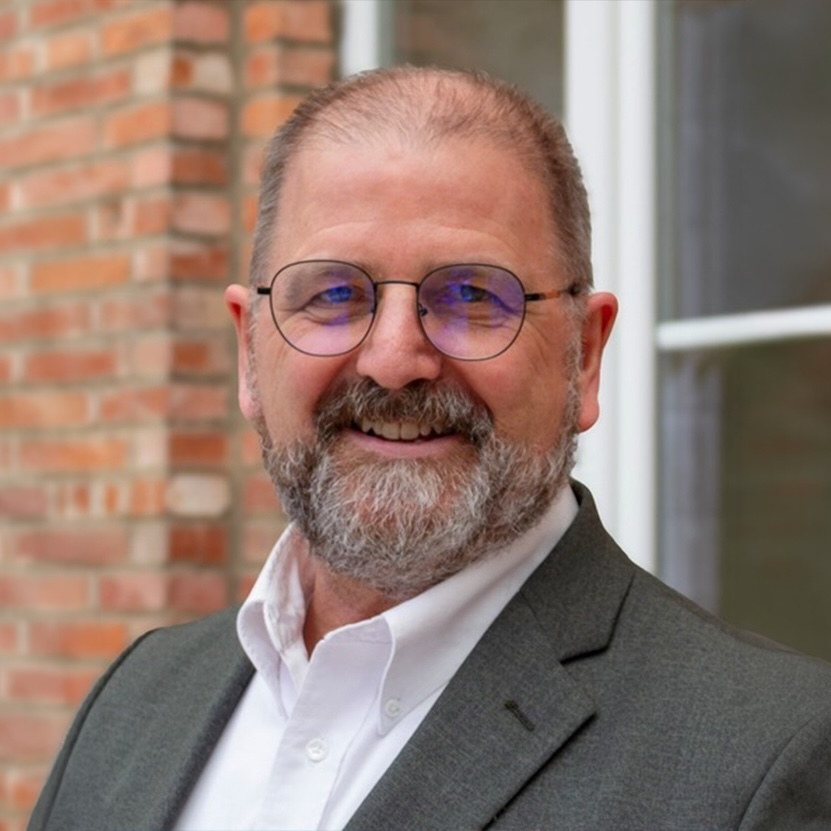
Ronald T. Michener
Professor and Chair of the Department of Systematic Theology, Evangelische Theologische Faculteit, Leuven, Belgium. His research focuses broadly on postconservative theological interpretation and engagement between evangelical theology and postmodern thought. Author and co-author of numerous books, including Handbook on Postconservative Theological Interpretation.
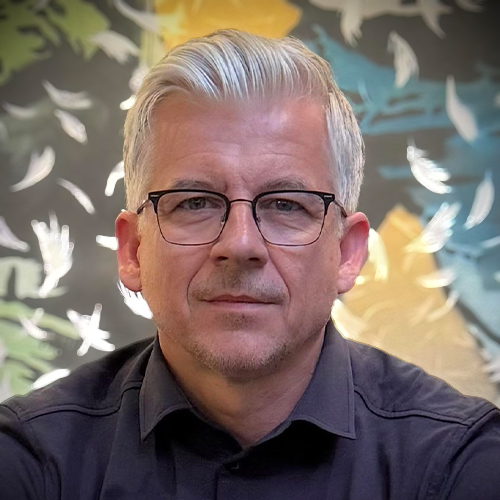
Wojciech Szczerba
Philosopher and theologian, and Rector of the Evangelical School of Theology (EWST) in Wrocław, Poland. He serves as Editor-in-Chief of Theologica Wratislaviensia. He is a Visiting Professor at the University of Cambridge and an International Fellow at Duke Divinity School. His recent book, In Search of Dignity, examines human dignity through formative metaphors of humanity, interpreted in light of the challenges of the twenty-first century.
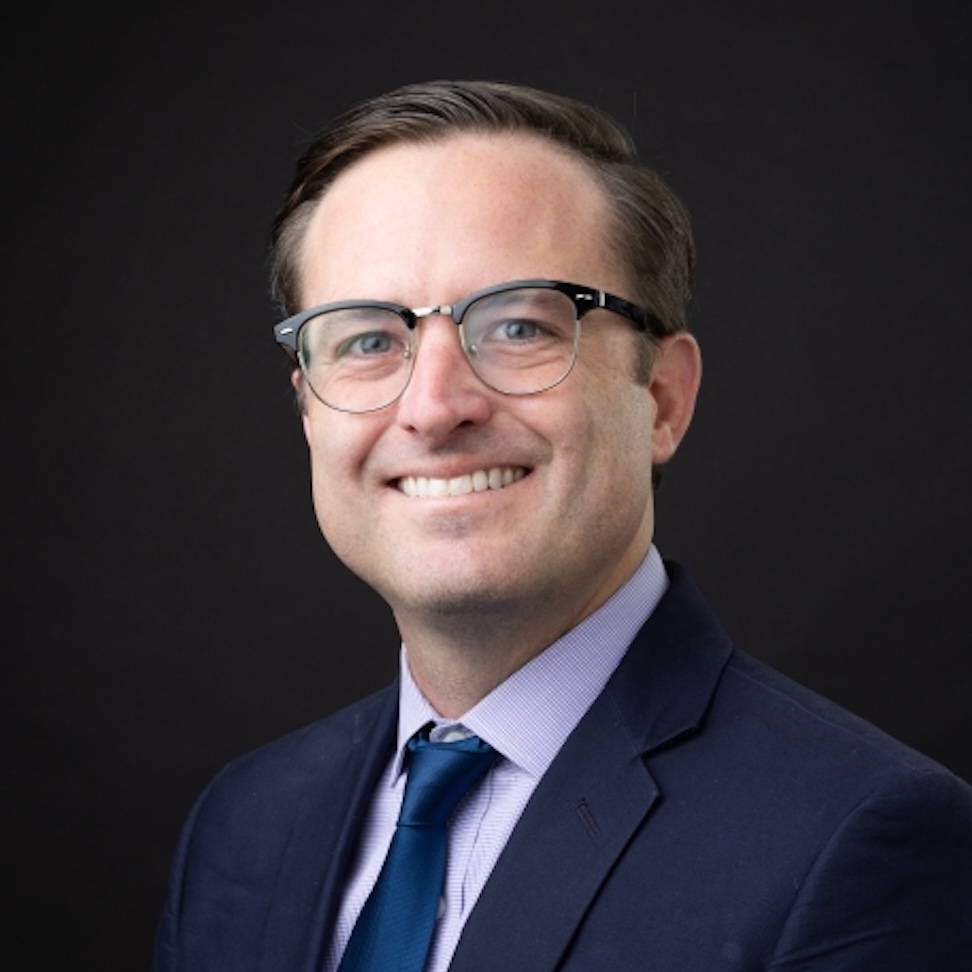
Davis Hankins
Professor of Religious Studies, Director of the Center for Judaic, Holocaust and Peace Studies at the Appalachian State University. His research focuses on the intersection of political economy, religion and literature in the ancient Near East and Mediterranean world. Не frequently collaborated with influential Old Testament theologian Walter Brueggemann and has edited a number of his books, including The Prophetic Imagination, Hope Restored: Biblical Imagination Against Empire.
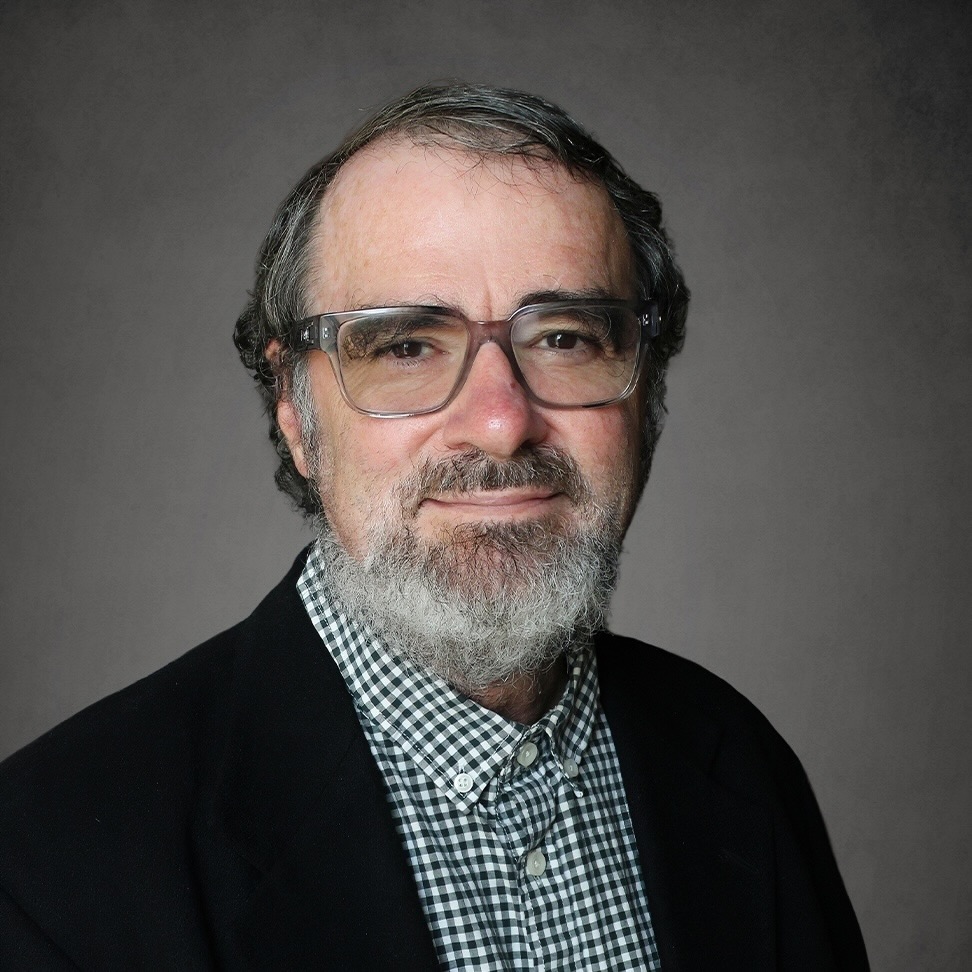
Dan R. Stiver
President and Professor of the Jesse C. Fletcher Seminary (USA). He was Cook-Derrick Professor of Theology at the Logsdon School of Theology of Hardin-Simmons University and Professor of Christian Philosophy at Southern Baptist Seminary. Author of a number of books on the philosophy of religion, hermeneutical theology, and Paul Ricoeur's legacy, including Ricoeur and Theology, and co-editor of the Studies in the Thought of Paul Ricoeur from Bloomsbury.
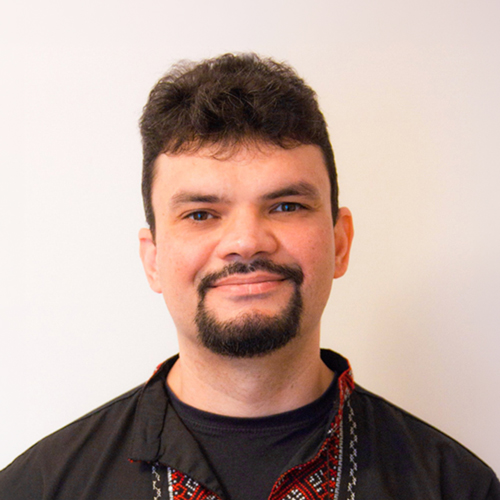
Yevgeny Ustinovich
Senior Research Fellow at the Eastern European Institute of Theology (Lviv, Ukraine) and a Research Associate of the Department of New Testament and Related Literature at the University of Pretoria (South Africa). His research often focuses on biblical semantics, especially in the Gospel of John. In 2025, he co-authored and co-edited the volume Beatitudes and Terror – an attempt by several Ukrainian theologians to critically engage the reception of the Sermon on the Mount in the context of war and forced migration.
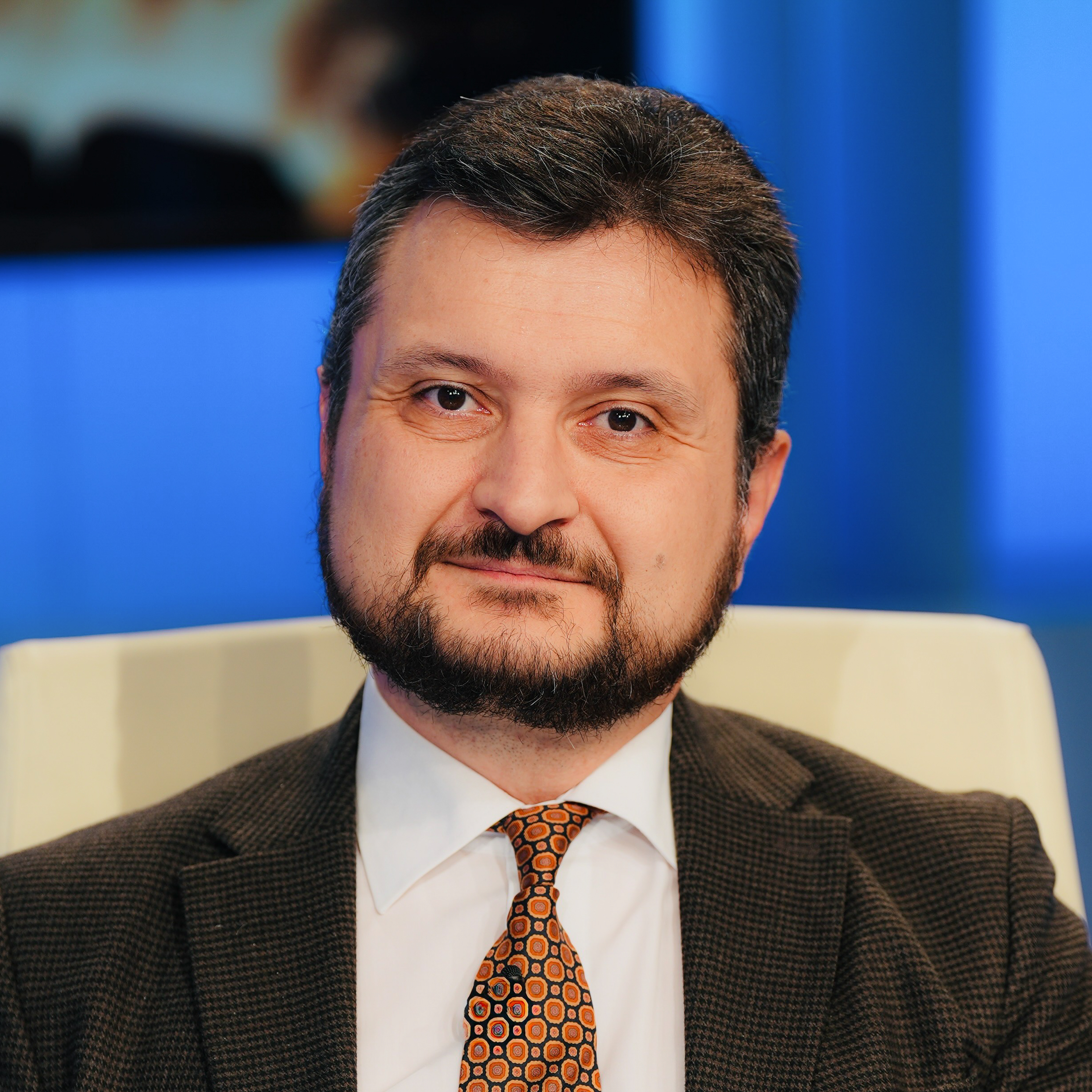
Ciprian Gheorghe-Luca
Romanian Pentecostal theologian and pastor. Affiliated researcher with the Ars Theologica Research Center, “Aurel Vlaicu” University of Arad. Senior pastor of the Emmanuel Christian Center in Bucharest. His work brings Pentecostal theology into conversation with public life, ethics, political theology, and questions of social coexistence and peace, particularly within Eastern European contexts. He is the author of two books, including the upcoming Pneumatological Ecclesiology and Public Life from Cambridge University Press.
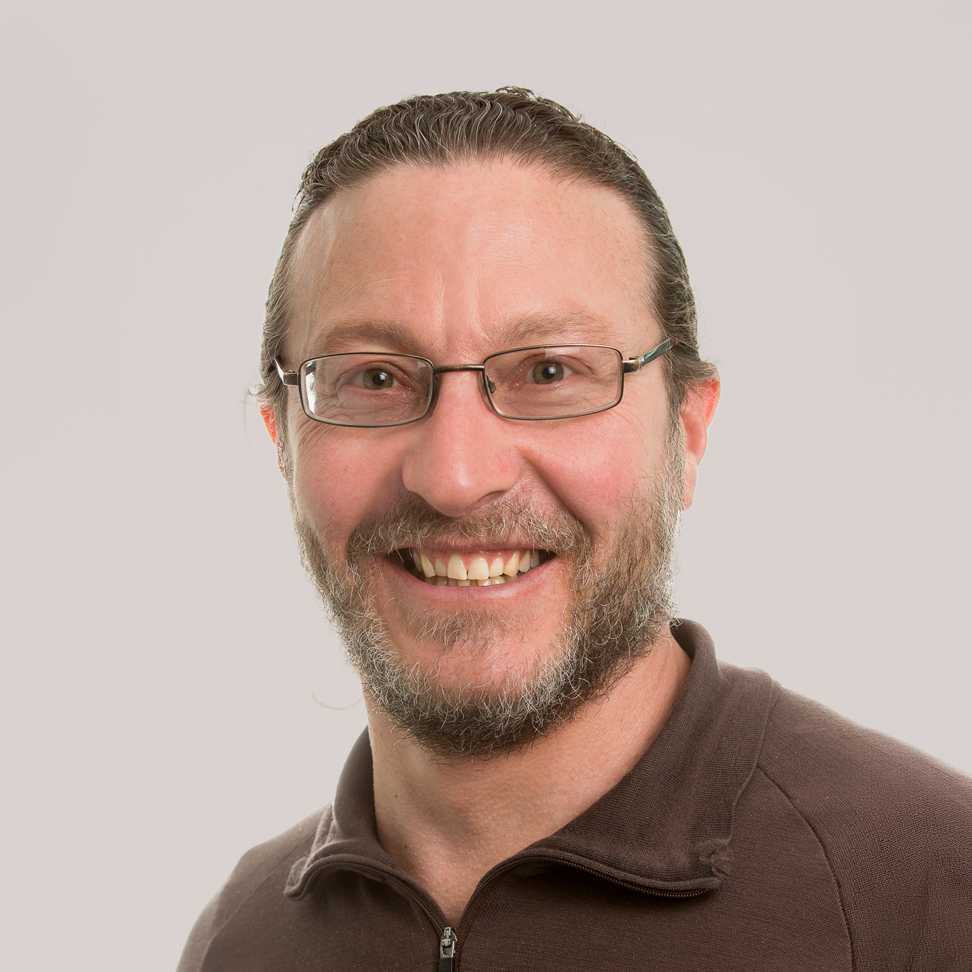
Andrew Shepherd
Senior Lecturer in Theology and Public Issues within the Theology Program at the University of Otago, New Zealand. He writes, teaches, and speaks broadly on theological ethics, particularly on how the phenomena of ecological degradation/climate change, social polarisation, militarism, and technological capitalism impact human and ecological flourishing. His publications include The Gift of the Other: Levinas, Derrida, and a Theology of Hospitality and the edited volume Creation and Hope: Reflections on Ecological Anticipation and Action from Aotearoa New Zealand.

Hanna Rijken
Theologian and musician, academic researcher in Theology and the Arts (Sacred Music) at Tilburg University and lecturer in Liturgical Studies and Church Music at Rotterdam University of the Arts (Codarts). Her research focuses on sacred music, ritual and liturgical studies, theology, and aesthetics. She is the founder and artistic director of the Vocaal Theologen Ensemble and the women’s schola Hildegard of Bingen.
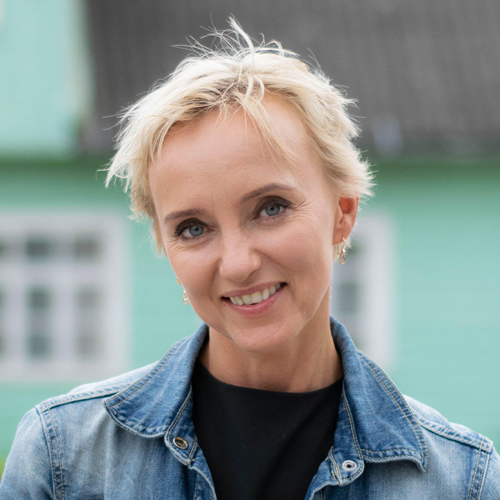
Gilija Žukauskienė
Scholar with academic training in theology, philosophy, and the arts. Her research explores the anthropological and sociocultural dimensions of movement, drawing on her experience as a dancer, choreographer, and minister in a religious community. She leads the feminist activist dance group “SpokŠok,” facilitates movement workshops, and regularly lectures at European universities on movement, embodiment, art, philosophy, and theology. She has published articles in Acta Missiologica, Communio Viatorum and contributed to several scholarly volumes.
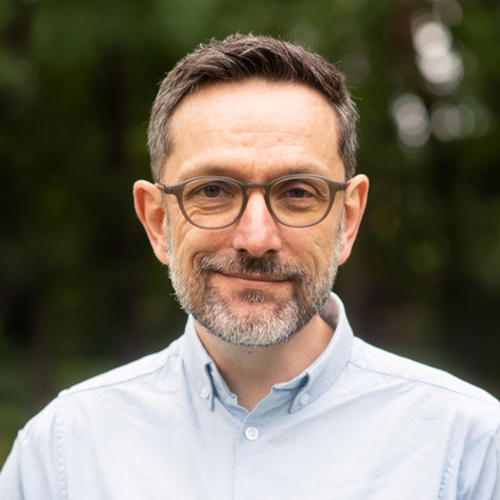
Adam Szumorek
Preacher, teacher, and writer. He studied preaching in Poland, Canada, the United States, and the United Kingdom, and earned a PhD from Spurgeon’s College in partnership with the University of Chester. He serves as a teaching pastor at TOMY Christian Fellowship in Tomaszów Mazowiecki, Poland, and works with Proem Ministries, teaching biblical communication and Bible courses. He also collaborates with Langham Literature, writing books on homiletics, the literary forms of the Bible, and discipleship resources.
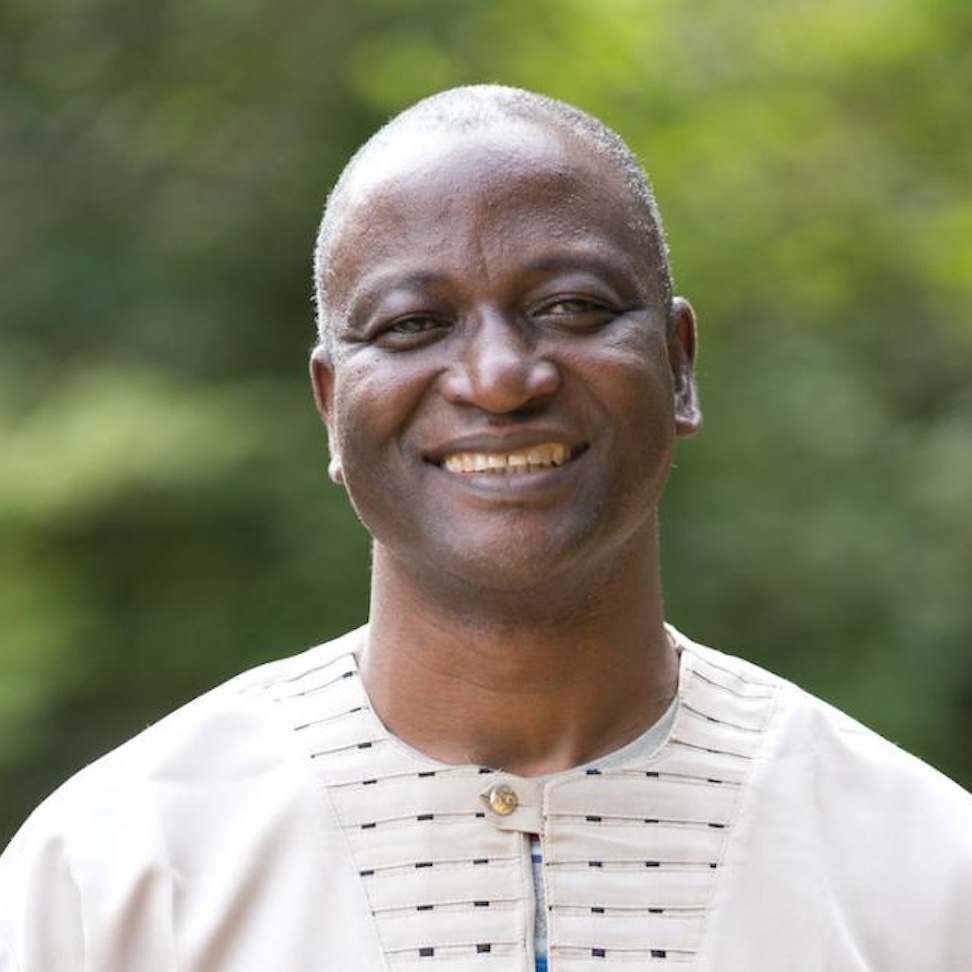
Sunday Bobai Agang
Nigerian theologian, public intellectual, researcher, and ecclesiastical leader whose scholarly contributions have significantly shaped contemporary African Christian theology. Executive Director of the Optima Center for Exploration and Learning (OCEL), an institution committed to advancing transformational education, ethical leadership, research, and societal renewal. Research Fellow in the Department of Systematic Theology and Ecclesiology, Faculty of Theology, at Stellenbosch University. Author of a number of books, including Endangered Moral Values: Nigeria’s Search for Love, Truth, Unity and Empathy.
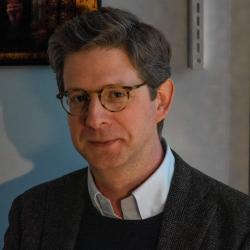
Giles Waller
Senior Teaching Associate and Research Associate in Theology and Literature at the Faculty of Divinity, University of Cambridge, and the Cambridge Inter-Faith Program. Co-editor of the book Christian Theology and Tragedy: Theologians, Tragic Literature and Tragic Theory (Routledge). His forthcoming book is entitled, Tragic Theology: Drama, the Cross and the Literary Luther.

School Schedule 2026
Each lecture lasts 1 hour 30 minutes. There is a 30-minute break between lectures.
July 27
2 pm (EEST Kyiv time)
No Lecture Scheduled
4 pm (EEST Kyiv time)
The Theological Imagination
Speaker: Judith Wolfe
Language: English
Translation: Ukrainian
6 pm (EEST Kyiv time)
Mysticism as Political Imaginary: How to Make Theology Useless for the Purposes of Fascism
Speaker: James K. A. Smith
Language: English
Translation: Ukrainian
July 28
2 pm (EEST Kyiv time)
A Theology of Cancer: Imagining and Cultivating Humility and Hope Through Illness, Weakness, and Vulnerability
Speaker: Ronald T. Michener
Language: English
Translation: Ukrainian
4 pm (EEST Kyiv time)
Freedom in the Shadows: Leadership in Times of Anxiety
Speaker: Wojciech Szczerba
Language: English
Translation: Ukrainian
6 pm (EEST Kyiv time)
Biblical Theological Imagination and Early Hellenistic Developments
Speaker: Davis Hankins
Language: English
Translation: Ukrainian
July 29
2 pm (EEST Kyiv time)
Interpreting the Imagery in Revelation: Canon and Imagination
Speaker: Yevgeny Ustinovich
Language: English
Translation: Ukrainian
4 pm (EEST Kyiv time)
Tragedy in Literary and Theological Imaginations
Speaker: Giles Waller
Language: English
Translation: Ukrainian
6 pm (EEST Kyiv time)
Broken Utopian Imagination: Paul Ricoeur and the Productive Imagination as Practical Resistance and Vision
Speaker: Dan R. Stiver
Language: English
Translation: Ukrainian
July 30
12 pm (EEST Kyiv time)
Attentiveness and the Taming of Humanity: Re-imagining Our Relationship with the More-than-Human-World
Speaker: Andrew Shepherd
Language: English
Translation: Ukrainian
2 pm (EEST Kyiv time)
Music, Metaphor and Eschatological Imagination
Speaker: Hanna Rijken
Language: English
Translation: Ukrainian
4 pm (EEST Kyiv time)
Let's Start with Movement! Kinesthetic Resistance and Creativity
Speaker: Gilija Žukauskienė
Language: English
Translation: Ukrainian
July 31
2 pm (EEST Kyiv time)
Showing the Unseen: Preaching, Images, and a Transformed Vision of Reality
Speaker: Adam Szumorek
Language: English
Translation: Ukrainian
4 pm (EEST Kyiv time)
Dreaming Dreams and Seeing Visions: Pentecost(al) Theological Imagination and the Reconstruction of Public Hope
Speaker: Ciprian Gheorghe-Luca
Language: English
Translation: Ukrainian
6 pm (EEST Kyiv time)
Theological Reimagination in Times of Violent Killings: Resisting Violence and Oppression Through Human Dignity, Hope, and Public Witness in Nigeria
Speaker: Sunday Bobai Agang
Language: English
Translation: Ukrainian
To Participate in the School, You Need
To participate in the school, you need to fill out the registration form. Immediately after registration, you will receive a confirmation email with information on how to join the event. The Zoom link is unique to each participant, so please do not share your registration information with anyone else. Each participant must register separately and receive their own link to join the meeting. You will also be able to add the event to your calendar so that you do not miss the lectures. Participants who register by July 20 will receive detailed information on how to participate in the school (one week before the start of the school), as well as materials from the speakers to prepare for the lectures. If you do not receive a confirmation email, please check your spam folder. If there is no confirmation either, write to us at office@eeit-edu.info (please indicate "2026 Summer School of Theology" in the subject line). The School is free for everyone.
We encourage all participants to join our Facebook community to get more information about our speakers, lecture topics, possible changes to the schedule, and other organizational details. We do not spam with advertisements or a lot of news. After submitting a request to join the group, await approval from the administrator.
All lectures from previous sessions in 2022, 2023, 2024, and 2025 are available on our YouTube channel (in the original language).
Sponsored by


The work of our Institute would not be possible without your generous support and faith in our joint efforts. Your help today is a hope for the future of quality theological education in Ukraine.